

 Loading...
About Dumb Ways to Die
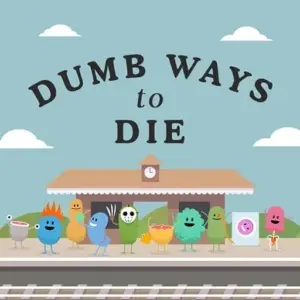
Dumb Ways to Die began as a train safety campaign with a very catchy song, then became one of the best-known mobile games of its time. The idea is simple: a cast of cute characters, the Beans, keep getting into ridiculous danger, and you have a few seconds to save each one.
The game is a rapid sequence of micro-challenges. Each lasts only a moment, and the pace speeds up the longer you survive, which makes it great for short sessions and friendly score battles.
It is a great pick for families, classrooms and anyone who wants a quick laugh. Each mini-game lasts only a few seconds, so you can play one run or twenty without any commitment.
Dumb Ways to Die at a glance
- Genre: Mini-game collection
- Players: 1 player
- Devices: Desktop and mobile browsers
- Best for: kids, families and quick score battles
How to play Dumb Ways to Die
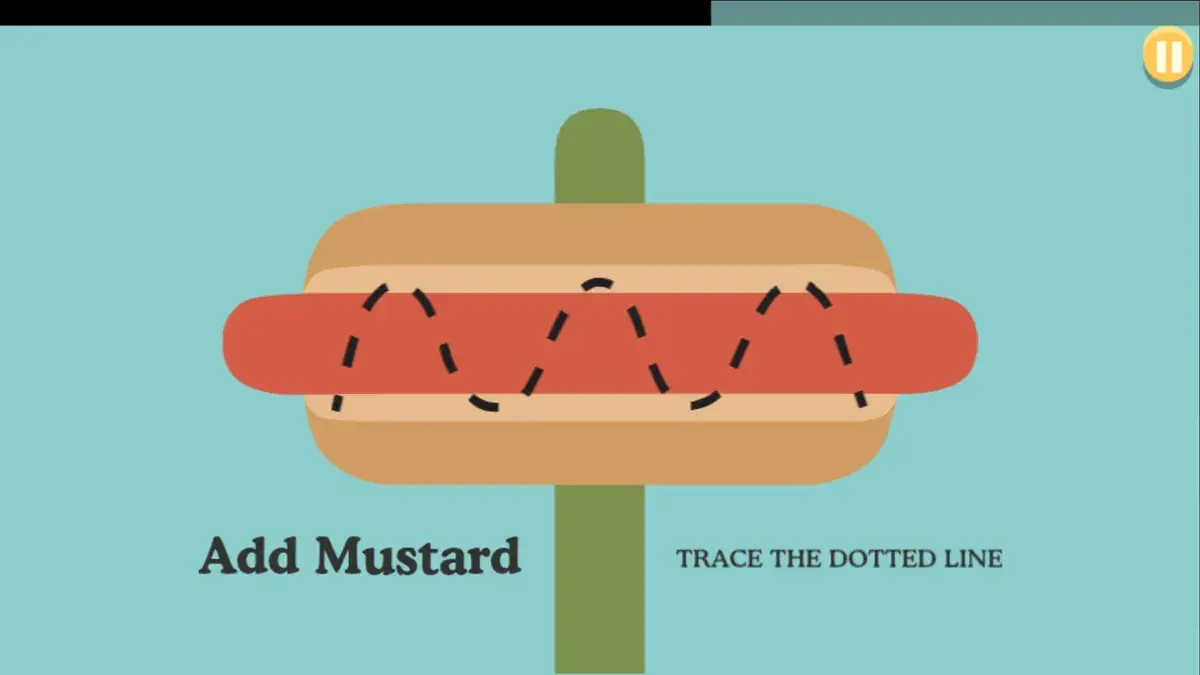
Every round opens with a one-line instruction. Then you have about three seconds to act: swat the wasps, pull the fork out of the toaster, swipe the piranhas away, trace the mustard line on a hot dog. Succeed and you move on to the next challenge; fail and a Bean meets a silly, cartoonish end. You have a limited number of lives, and the challenges come faster after each cycle.
Controls
- Mouse or touch: tap, swipe or drag, depending on the mini-game
- Read the short prompt at the start of each round: it tells you exactly what to do
How a run progresses
A run is a loop of mini-games picked from a large pool. After each full cycle the speed goes up, so a task that felt easy at the start becomes a real test of reflexes a few minutes later. Every failure costs one life, and when your lives run out, your score is the number of challenges you completed. Because the order changes, you cannot memorise a fixed sequence: what improves is your ability to recognise each mini-game instantly and react before the timer runs out. Trying to beat your own best score, or a friend’s, is the real long-term goal.
A safety message in disguise
Behind the jokes, the game carries the message of its original campaign: be careful around trains and platforms. That is why it remains a favourite with teachers and parents. It is colourful, non-violent in tone and teaches quick reading and reaction skills at the same time.
Tips and strategies for Dumb Ways to Die
- Read the instruction before you move. Most failures come from doing the right action on the wrong thing.
- Rest the cursor in the middle of the screen between rounds; every target is then a short move away.
- Swipes should be long and fast; short swipes often do not register.
- When the speed increases, rely on recognising each mini-game from its first frame.
- Practice the trickiest mini-games: they repeat in every cycle.
- If two mini-games look alike, check the instruction twice: they often ask for opposite actions.
- Play a few runs in a row to warm up; your reaction time improves after the first minute.
Common beginner mistakes
- Starting to swipe before reading the prompt.
- Making short, hesitant swipes that the game does not register.
- Panicking when the speed increases instead of trusting what you already learned.
- Keeping the cursor in a corner of the screen, far from where the next target appears.
Similar games on TotoyaPlay
For more quick-fire fun, try the party pack 12 MiniBattles, the guessing game Google Feud or the stacking puzzle Suika Game. Explore more relaxed titles in our casual games.
Frequently asked questions about Dumb Ways to Die
How many lives do you get?
You start with a few lives. Each failed mini-game costs one, and the run ends when they are all gone.
Is Dumb Ways to Die suitable for kids?
Yes. The humour is cartoonish and the game grew out of a public safety campaign.
Can I play it on a phone?
Yes, it works with touch controls in mobile browsers.
How long is a game of Dumb Ways to Die?
A run lasts as long as you have lives left, usually a few minutes, and it speeds up as you go.
Do the mini-games always appear in the same order?
No. They are mixed, so you have to recognise each one quickly.
Is there a high score?
Yes. Your score is the number of challenges you complete in a run.





Comments